I Watched Someone Play PRAGMATA for Three Hours and Honestly, I’m Still Not Sure What’s Happening #
Watching someone navigate PRAGMATA’s labyrinthine world for three hours taught me that some games are deliberately opaque, and that’s not always a bad thing.
The streamer I was watching spent the first hour just figuring out the inventory system. Not because it’s broken, but because it mirrors the game’s central mystery—everything feels familiar yet alien. You recognize objects but can’t quite place their purpose. A wrench that glows. Newspapers with text that shifts when you’re not looking directly at it. Pretty cool stuff, actually.
The Beauty of Not Knowing #
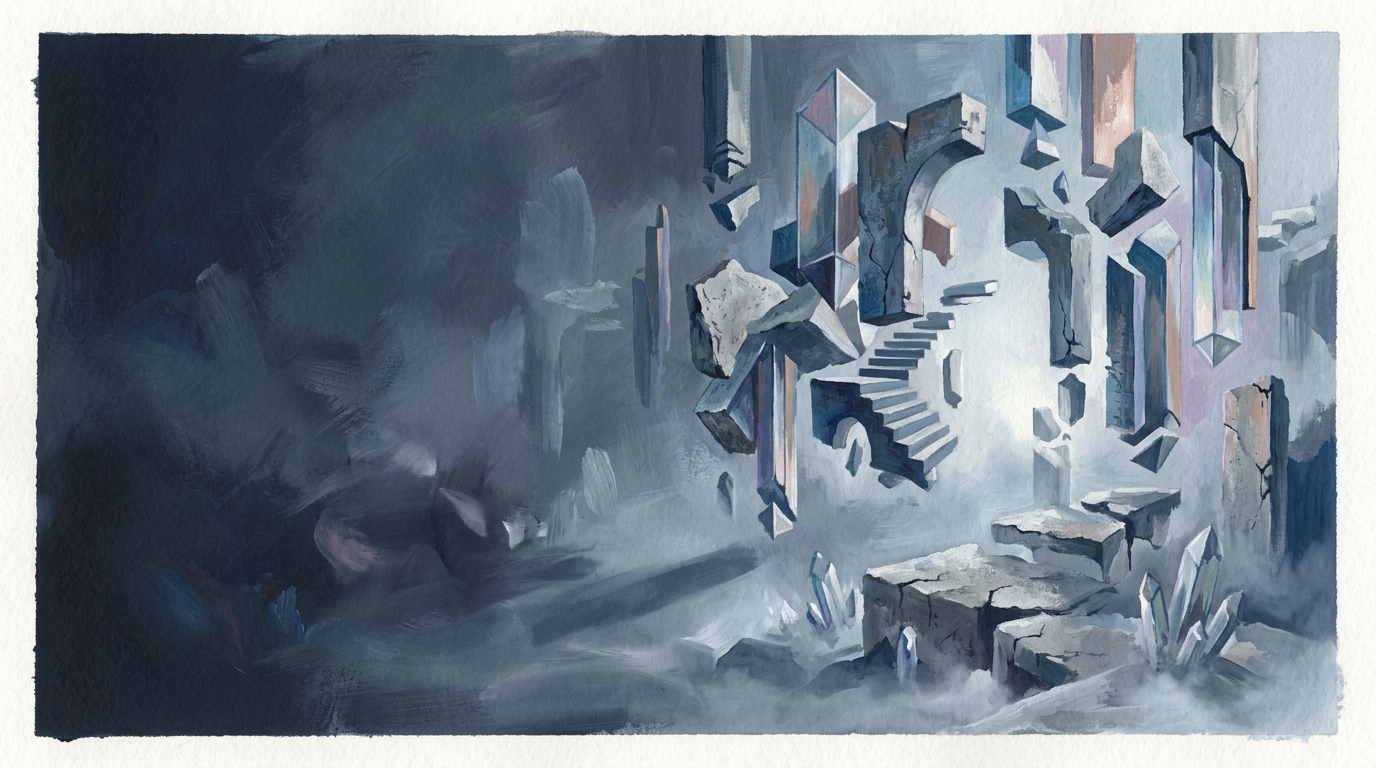
What struck me wasn’t the confusion itself, but how engaged the chat remained despite understanding maybe 30% of what was happening. When the protagonist found that weird crystalline structure in the subway tunnel, nobody asked “what is it?” They asked “what does it do?” That’s the difference between lazy mystery and intentional ambiguity.
The environmental storytelling does most of the heavy lifting here. Abandoned apartments with meals still on tables, but the food looks… wrong somehow. Like PRAGMATA’s junk economy, these details accumulate into something that feels significant without being explicit.
Sure, I still don’t know if the kid is real, dead, or some kind of projection. But after three hours of watching, I realized that’s exactly the point—the not knowing is the experience.