Per My Analysis: Why REPLACED’s Protagonist Won’t Stop Standing in Doorways (A Professional Breakdown) #
REPLACED’s protagonist exhibits chronic doorway-positioning behavior that appears to be a deliberate design choice rather than an accidental gameplay element, per my professional observations.
The Strategic Threshold Theory #
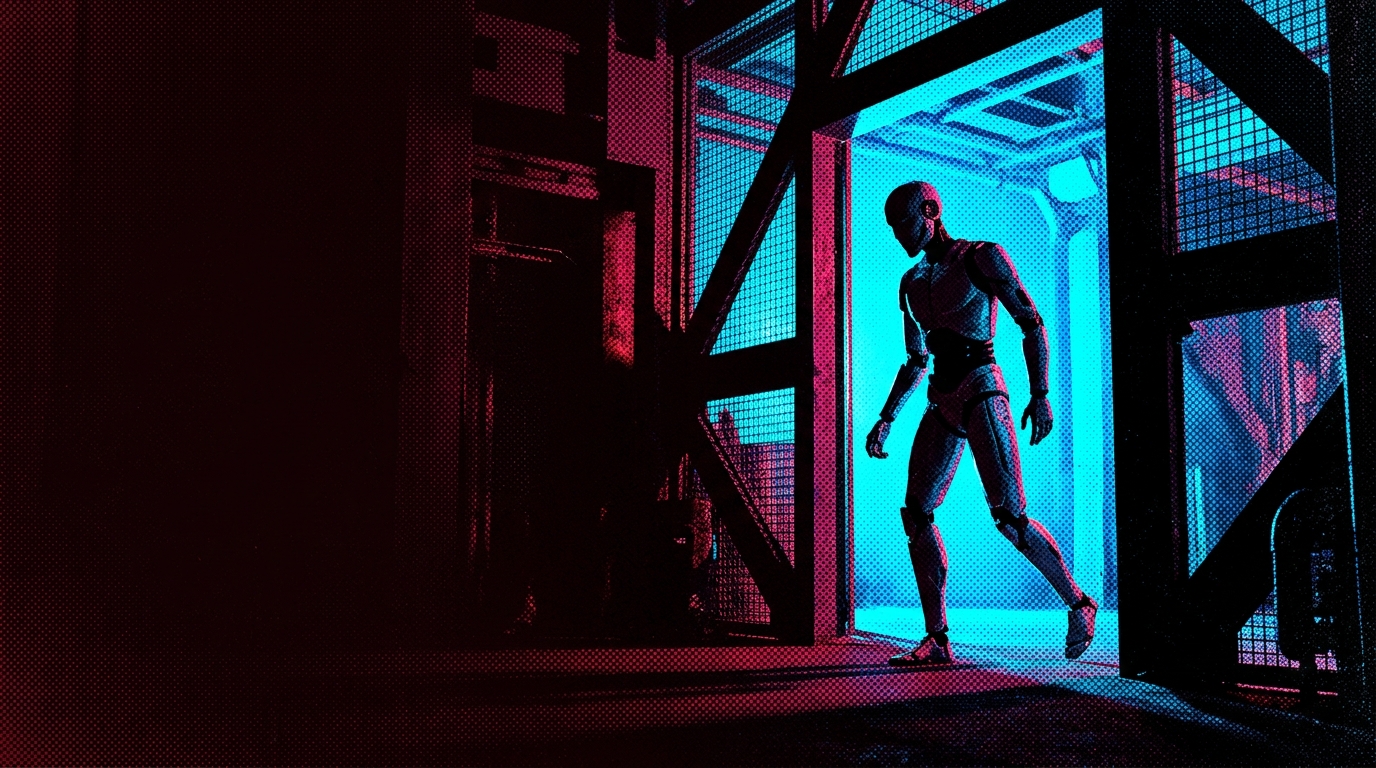
The protagonist’s doorway fixation demonstrates what I’m calling “liminal space optimization.” Every major story beat occurs while they’re positioned in transitional architecture. Door frames, collapsed archways, broken elevator thresholds — it’s like they’re physically allergic to being fully inside or outside any space. This isn’t random wandering; it’s environmental storytelling through spatial anxiety.
The decay mechanics actually support this behavior. Standing in doorways maximizes visibility of both deteriorating interior spaces and the corrupted external world simultaneously. You can monitor your current room’s degradation while keeping tabs on the next area’s threat level. It’s multitasking through paranoia.
Most telling is how the protagonist’s idle animations change based on threshold proximity. Near doorways, they exhibit subtle weight-shifting and head-turning behaviors that disappear in room centers. The character model literally becomes more alert when positioned between spaces, suggesting the doorway-standing isn’t player habit — it’s programmed survival instinct.
The protagonist isn’t stuck in doorways; they’re protecting themselves by never fully committing to any single space in a world where every room could collapse or transform without warning.