PRAGMATA’s Desolate Geometry: Why Emptiness Tastes Better Than Noise #
Emptiness carries more weight than clutter, and PRAGMATA’s barren cityscapes prove it with every silent street corner. While most sci-fi games stuff their environments with exposition dumps and visual noise, Capcom’s mysterious project trusts negative space to tell its story.
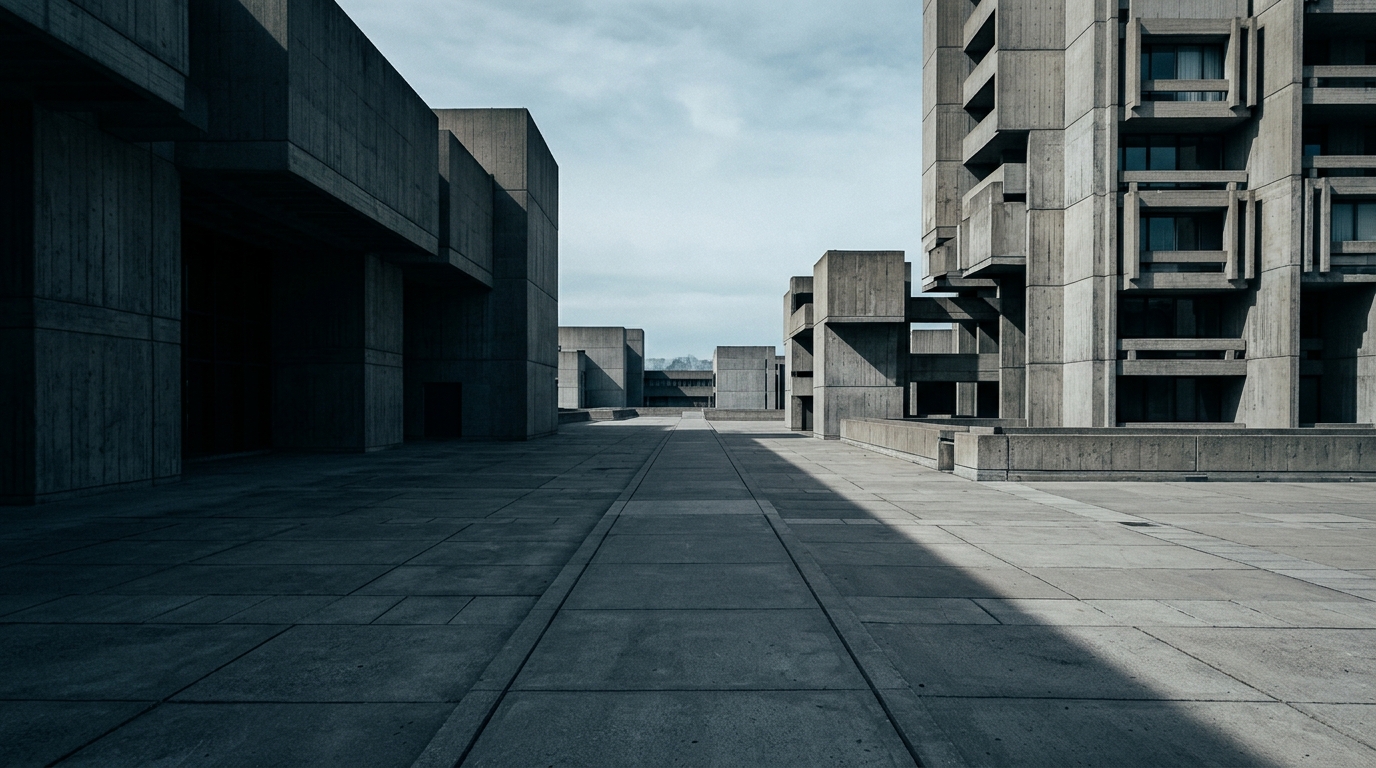
The demo’s abandoned city blocks work like thermal dynamics—heat flows toward cold, meaning flows toward void. Those long stretches of concrete and glass aren’t boring; they’re pressure chambers where tension builds naturally. Your footsteps echo against nothing, creating more dread than any scripted jumpscares could manage.
The Physics of Atmospheric Storytelling #
Empty geometry forces your brain to fill gaps, same way bitter chocolate makes you notice subtle sweetness underneath. PRAGMATA’s environmental storytelling operates on this principle—show one overturned chair, let players imagine the struggle. Display broken windows in precise patterns, trust observation over exposition.
Compare this to games that wallpaper every surface with lore terminals and audio logs. Information overload creates sensory static, like eating too many flavors at once. You lose the delicate notes. Windrose understood this too—sometimes the most powerful design choice is restraint.
The child character’s helmet reflects these vacant spaces, creating recursive emptiness that amplifies rather than fills. Each reflection shows you what isn’t there, turning absence into presence through pure optical physics.
Desolate geometry tastes like the cleanest water—no artificial flavoring, just essential elements doing their work.