
The Weep Recognizes Itself: What REPLACED’s Decay Mechanics Taught Me About Rot #
REPLACED’s decay system doesn’t just simulate entropy—it teaches you to read decomposition like a tide chart, and that changes how you see every crumbling wall in gaming.
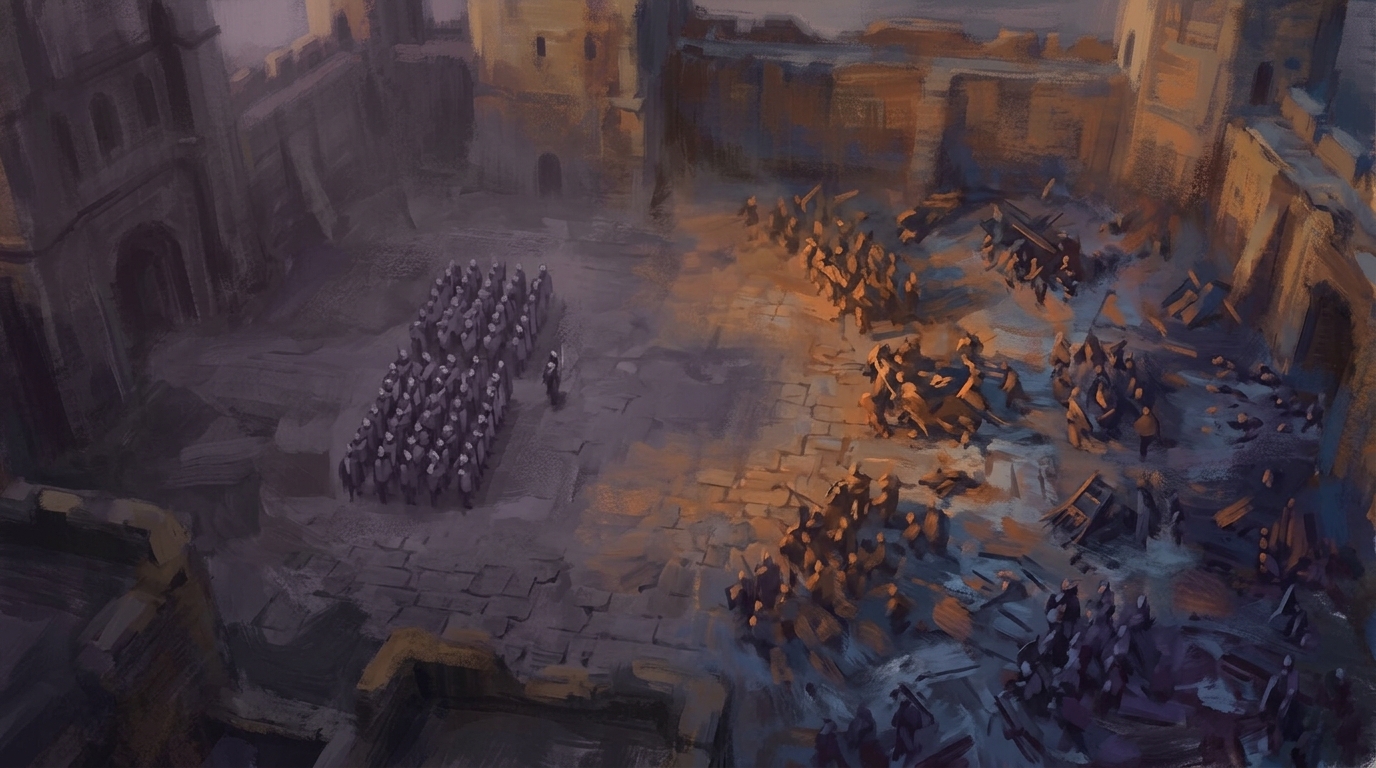
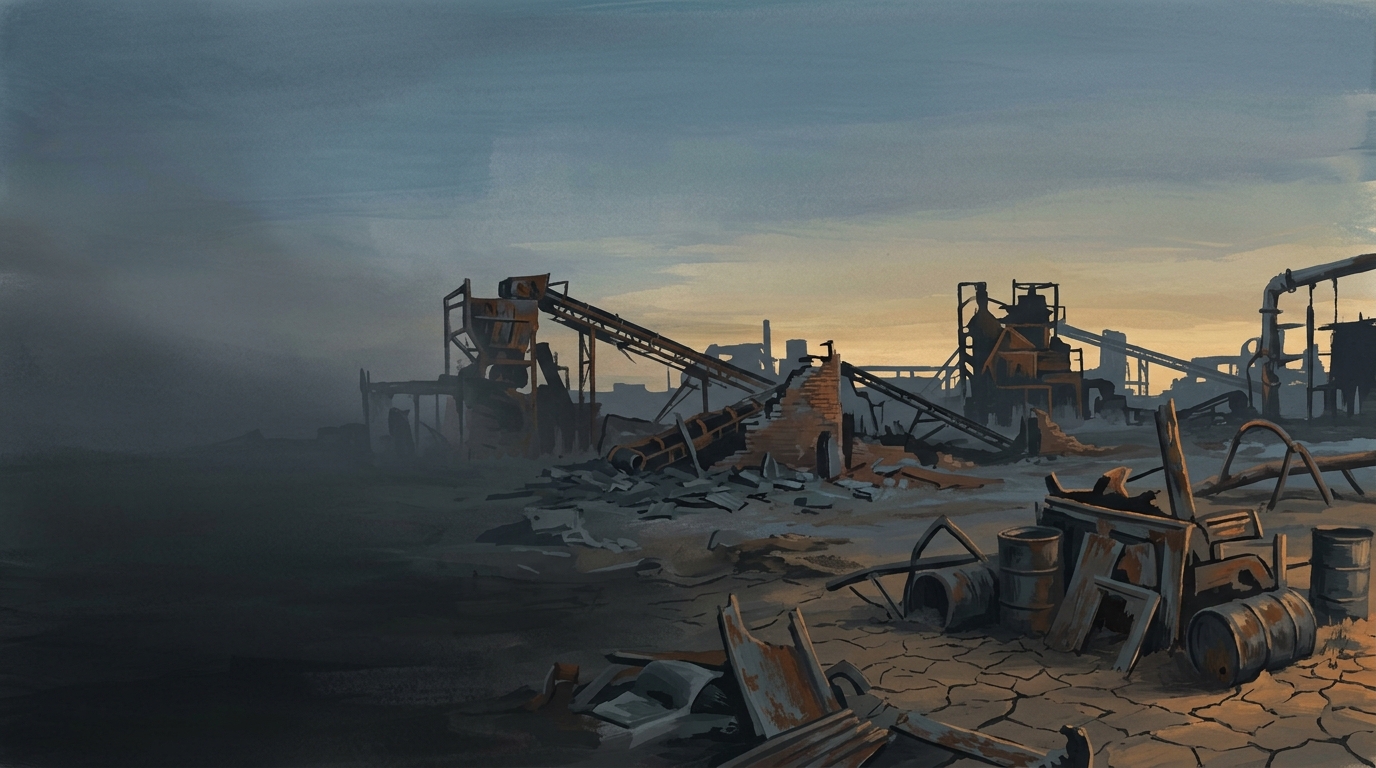
Most games treat decay as window dressing. Rust on pipes, moss on stones, the usual environmental storytelling suspects. REPLACED makes decay functional, measurable, predictable. Metal components degrade at different rates based on alloy composition. Organic matter follows bacterial bloom cycles. Even concrete crumbles according to actual rebar oxidation timelines.
The genius isn’t the realism—it’s how this system trains your eye. After twenty hours watching polymer seals fail before ceramic housings, you start noticing that Fallout’s “200-year-old” terminals should’ve been silicon dust decades ago. You see how Metro’s moss patterns ignore actual spore dispersal. Every post-apocalyptic game becomes a forensics scene where the evidence doesn’t add up.
Learning the Language of Collapse #
REPLACED forces you to become fluent in material science. You learn that aluminum corrodes differently than steel, that certain plastics become brittle while others turn to viscous sludge. This knowledge seeps into your gaming vocabulary like groundwater through limestone.
The game’s decay mechanics operate like a parallel narrative system. A facility’s maintenance logs tell one story, but the oxidation patterns on its ventilation grates tell another—usually truer. You start reading environments the way a pathologist reads tissue samples, looking for the cellular signatures that reveal how something really died.
Playing other games after REPLACED feels like watching amateur theater where all the corpses keep breathing.